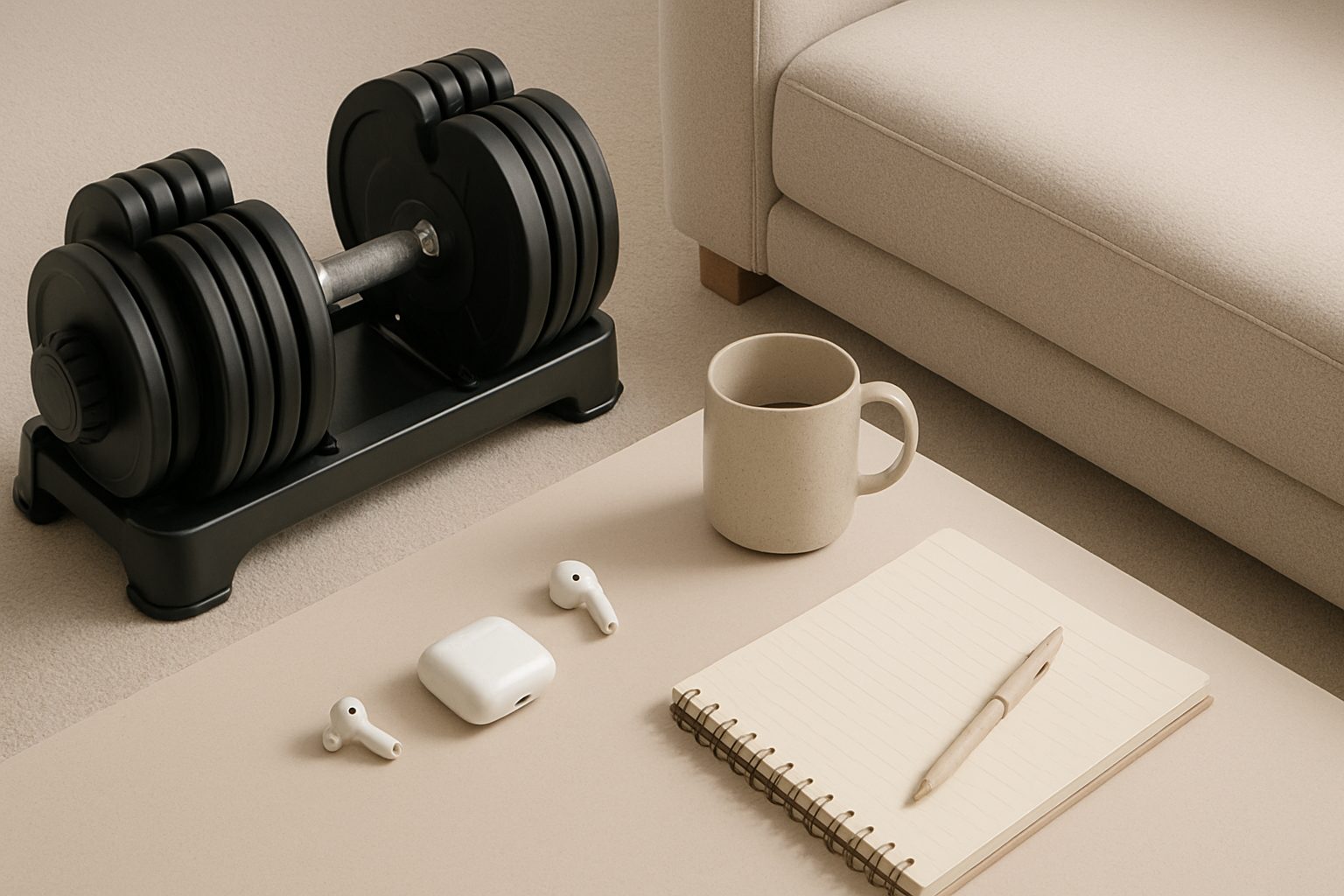
Best Dumbbell Rack Under £100 UK: Budget Buys That Actually Last
If you're building a home gym on a tight budget, a dumbbell rack is often the first purchase that gets delayed or skipped entirely. The premium racks from specialist fitness brands easily cost £150–£300, which feels extravagant when you're still investing in the dumbbells themselves. The good news is that the sub-£100 market in the UK has genuinely workable options. You won't get the premium finish or designer aesthetics, but you can find racks that'll reliably hold your weights for years without wobbling or rusting.
The trick is knowing what matters and what doesn't. A cheap rack doesn't need to be a bad rack—it just needs honest engineering and materials that suit your actual usage.
What You Actually Need in a Budget Rack
Before diving into specific options, it's worth understanding what separates functional budget racks from false economy purchases.
Weight capacity vs. your weights. Most sub-£100 racks claim 100–150 kg capacity. If you're stacking 10 kg dumbbells, you're nowhere near that limit. The issue arises if you buy a heavier-duty set later. A rack rated for 100 kg is genuinely fine for most home gypers; it becomes a problem only if you're serious enough to own dumbbells weighing more than 50 kg per side and plan to stack them vertically.
Material and rust. This is where budget racks either hold up or crumble. Steel racks coated in powder-coated epoxy or baked enamel stand up fine to a home environment. Chrome-plated steel does too, though the plating can chip if you're careless loading weights. Avoid uncoated bare steel unless you're committed to maintenance; it'll surface-rust within weeks in a damp garage. Most reputable budget options avoid bare steel, so check the product description.
Stability matters more than you'd think. A wobbly rack is worse than no rack because you'll lose trust in it. The best cheap racks use a wider, heavier base—usually welded steel tubing that feels solid when you push down on a loaded tier. Narrow bases with thin tubing are a false economy; they'll sway under an uneven load.
Tier count and spacing. Budget racks typically offer three to five tiers, spaced 15–20 cm apart. Five tiers is nicer for organisation, but three tiers is perfectly adequate if you're not storing huge numbers of dumbbells. The spacing matters only if you have unusually large or small dumbbells; standard hexagonal dumbbells fit almost any spacing.
Where to Find Solid Budget Options
The £30–£50 range. At this price point, you're looking at simple three-tier racks, usually from unbranded manufacturers sold direct on Amazon UK. These are mass-produced steel frames with a basic powder coat and no frills. Examples typically include a rectangular base, three or four shelves, and no accessories. Build quality is inconsistent—some are perfectly serviceable, while others arrive with paint runs or slightly uneven welds. The honest assessment is that you're gambling a bit. Read the reviews carefully, and look for consistent feedback on stability. If most reviewers say it's wobbly, trust them.
The £50–£80 range. This is where you start seeing products with proper engineering. Racks from brands like Homcom or Physionics (available on Amazon UK) sit in this bracket and offer better welds, more consistent finishes, and wider bases. A typical offering here is a four or five-tier rack with a heavy footprint and decent paint quality. These don't feel cheap when you're using them. Durability at this price is genuinely solid; you're not paying for branding, just getting decent manufacturing.
The £80–£100 range. At the premium end of the budget bracket, you might find racks from semi-established fitness brands or deluxe versions of the mid-range products. These often include extras like a plate storage slot on the base or dumbbells holders on the sides. Five tiers become standard. At this price, you're buying something that feels almost premium; it'll almost certainly last as long as you want it to.
Real Durability: What Breaks and What Doesn't
Budget racks almost never have catastrophic failures. What does happen is gradual degradation. Paint can chip if you bang dumbbells against it repeatedly. The base can start to feel slightly less stable after a year if it's poorly made, as tiny manufacturing tolerances accumulate. Welds occasionally crack under extreme load, but this is rare and usually only happens with genuinely overloaded racks.
The biggest variable is rust. A garage in a humid coastal area will see rust on anything less than a robust coating. A dry indoor gym won't. If rust concerns you, budget racks in the £60+ range usually have better coatings than the cheapest options.
The Honest Buying Decision
A dumbbell rack under £100 is a sensible purchase for anyone with a reasonable home gym setup—say, dumbbells up to 30 kg or so. You'll save money without sacrificing safety or longevity. If you're planning to build something serious and expect to own 50+ kg dumbbells, saving another £50–£100 for a sturdier option is wise.
The sweet spot for most people is the £50–£80 range. You're past the real quality lottery of the cheapest options but not paying brand premium. These racks hold up genuinely well against heavier use.
Check product reviews on Amazon UK before committing. Look specifically for comments about stability, paint quality, and whether it arrived damaged. If a rack has 50+ reviews and an average of 4+ stars with no consistent complaints about wobbling or rust, you can feel confident. A rack with fewer reviews or complaints about structural issues is a skip, no matter the price.
More options
- Mirafit 3-Tier Dumbbell Rack (Amazon UK)
- Body Power Dumbbell Rack (Amazon UK)
- Wall-Mounted Dumbbell Holder Bracket Set (Amazon UK)
- Rubber Hex Dumbbell Set with Rack (Amazon UK)
- Adjustable Dumbbell Stand / Cradle (Amazon UK)